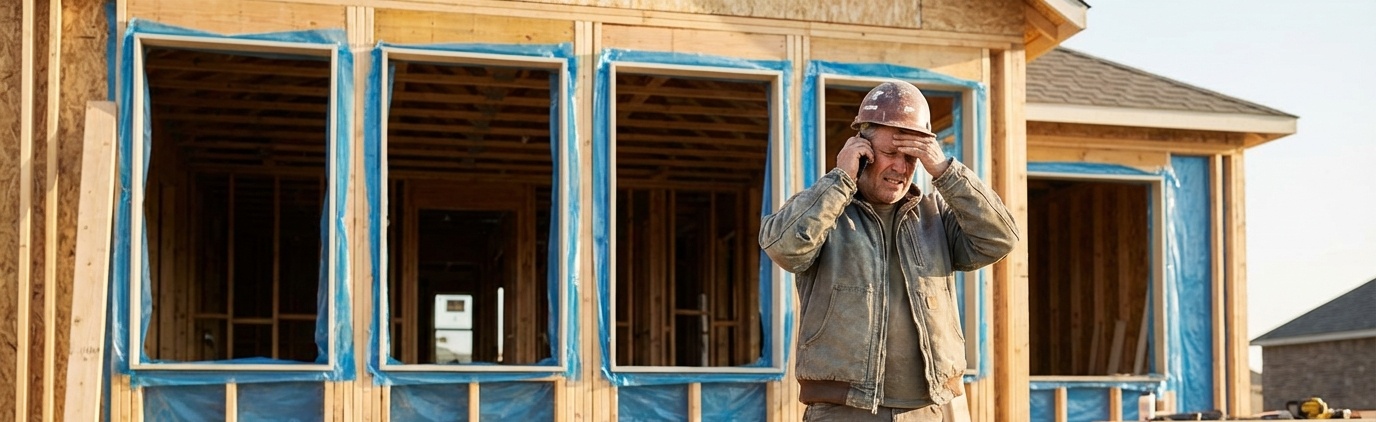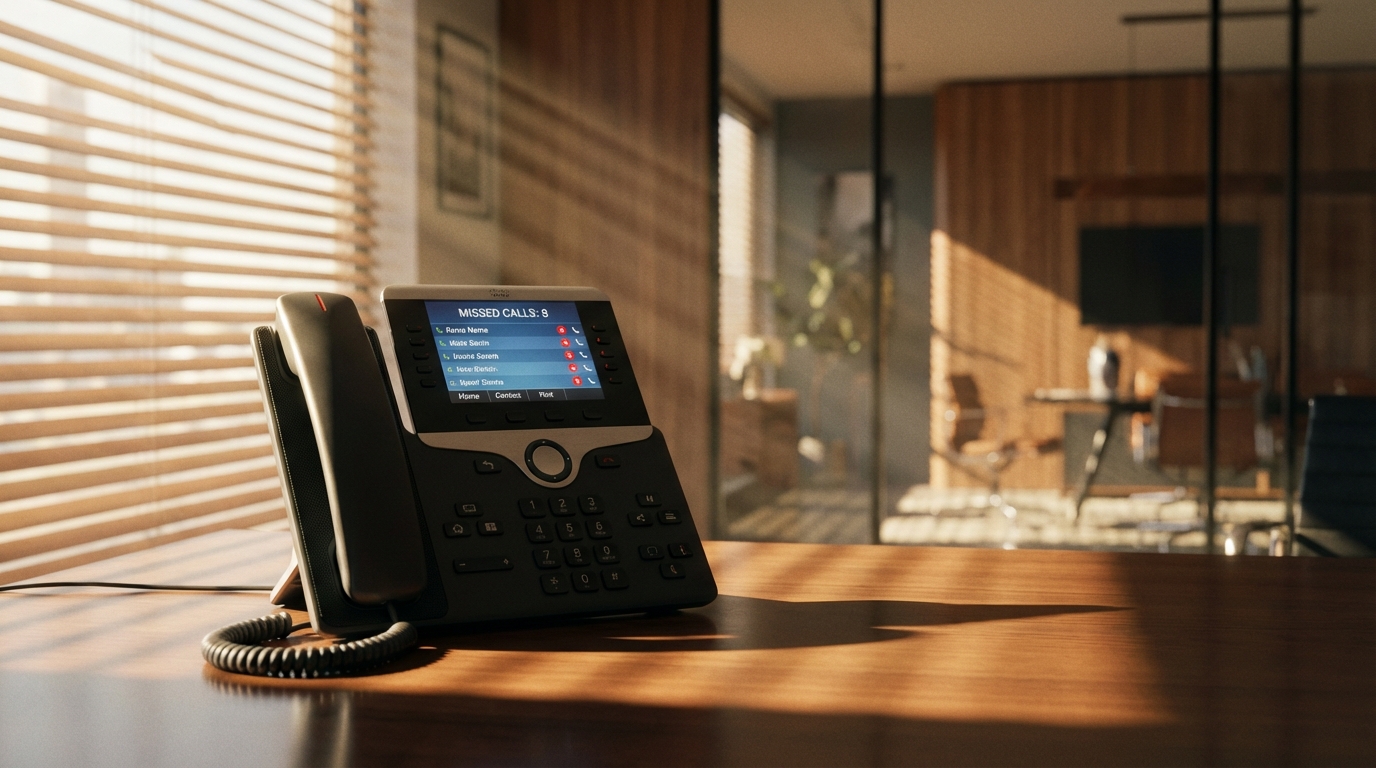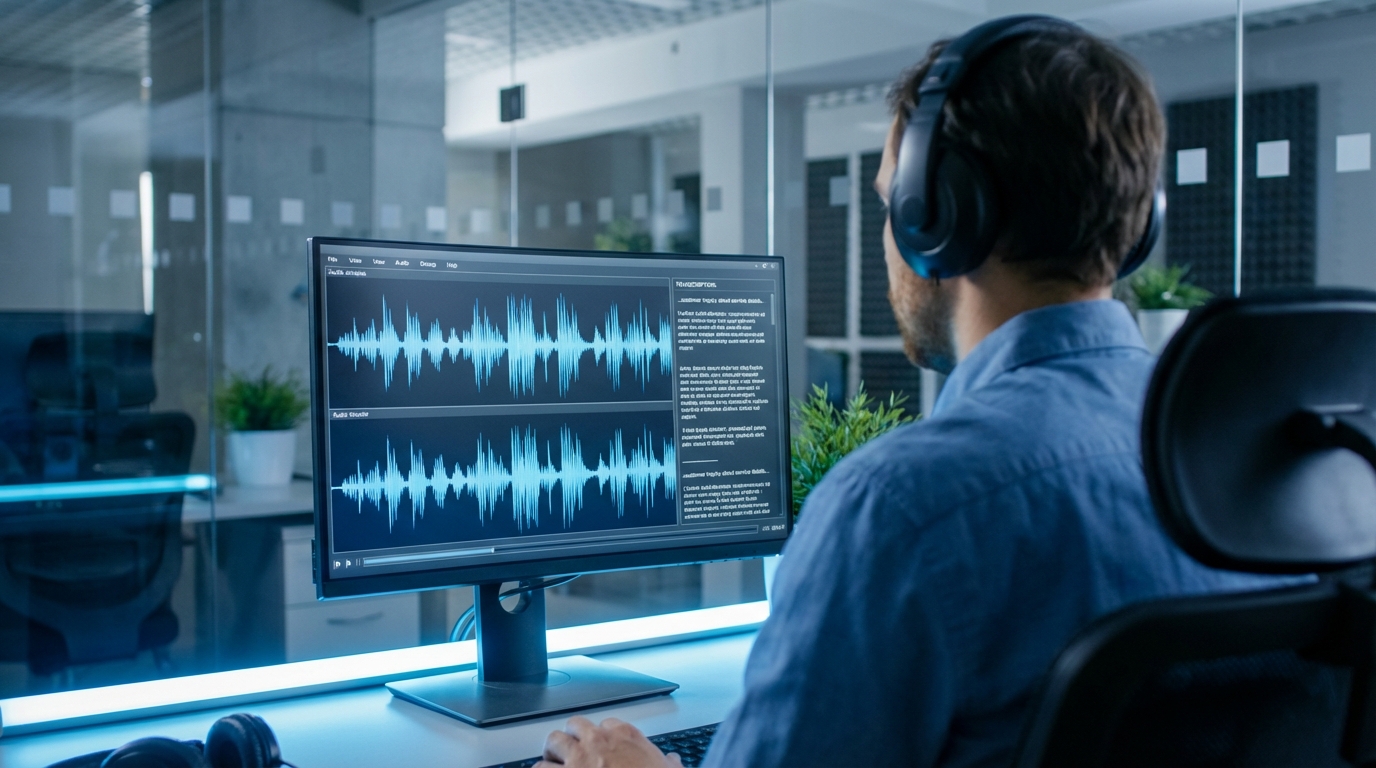
You're running a business built on phone conversations. Every project starts with one. Every quote follows one. Every deal closes because of one.
Now ask yourself: do you have a record of those conversations?
Not a sticky note. Not a half-written CRM entry your rep typed while driving to the next appointment. An actual, searchable, complete record of what was said.
For most window and door dealers, the answer is no. And that's a problem you don't realize you have, until it costs you.
You Wouldn't Run Your Business Without Contracts. Why Run It Without Call Records?
Every dealer has written contracts. Signed quotes. Filed invoices. Paper trails for the stuff that matters.
But the conversations that create those contracts? The verbal promises. The project details. The specific concerns a homeowner raised about their kitchen windows.
All of that lives in one place: your team's memory.
And memory is unreliable. It fades. It gets distorted. It walks out the door when an employee leaves.
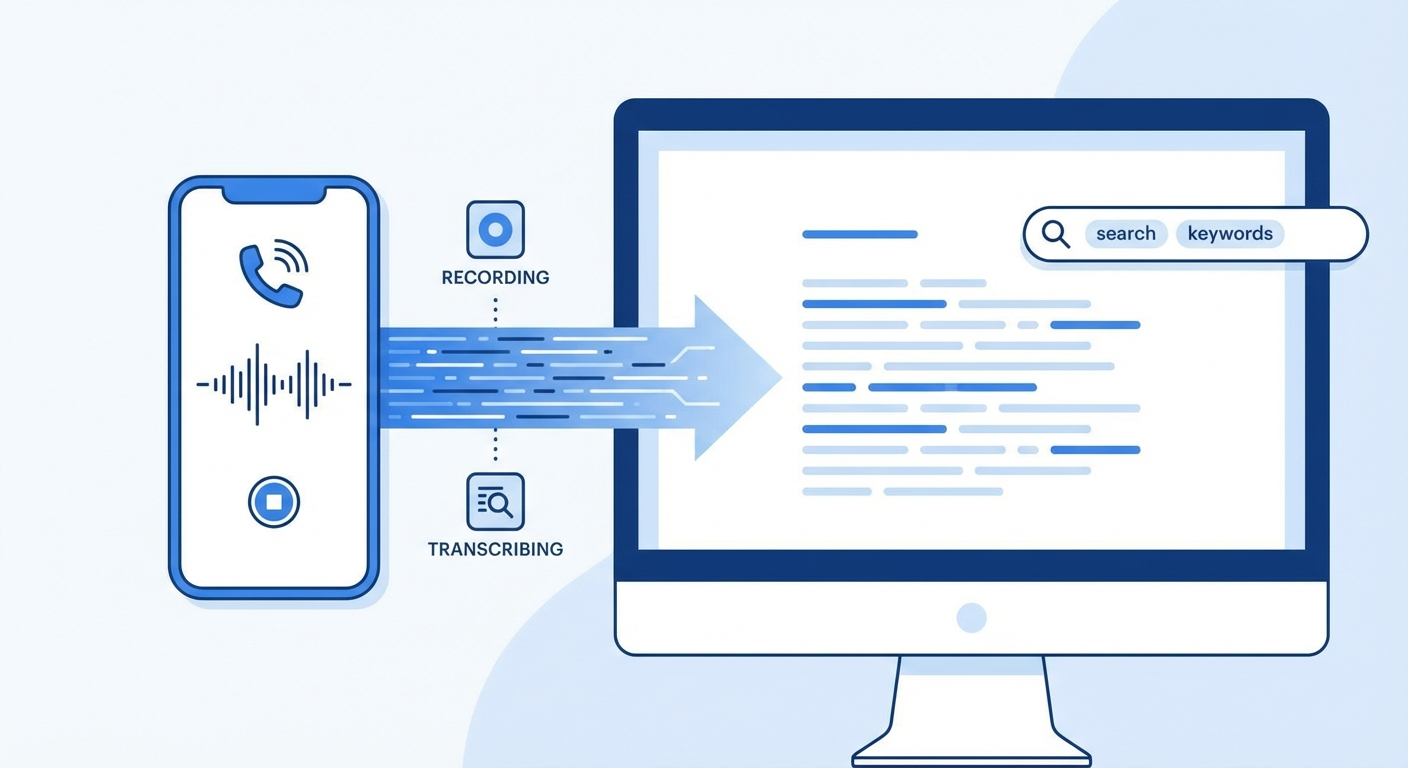
What a Voice Call Archive Actually Gives You
This isn't about surveillance. It's about turning your most valuable business asset, your customer conversations, into something you can actually use.
Dispute Resolution in 30 Seconds
It happens every week. A customer calls claiming, "Your rep promised me a discount" or "They said installation would be included."
Without a recording, you're stuck in a he-said-she-said. You either eat the cost or lose the customer.
With a searchable call archive, you pull up the conversation. Find the exact moment. Know exactly what was said. Thirty seconds. Done.
Your Best Calls Become Your Training Program
Every dealership has a closer who consistently outperforms everyone else. They say something different. They handle objections differently. But nobody knows exactly what they do. Not even them.
A call archive changes that. Pull your top 10 converting calls this month. Listen to them side by side. Identify the specific phrases and approaches that work. Then train your entire team on what actually closes deals.
Coaching from real data. Not gut feeling.
Objection Patterns You Can't See Without Data
When you're handling hundreds of calls, patterns emerge. But only if you can see them.
AI-powered call analysis flags the most common objections automatically. "That's more than I expected." "I need to talk to my spouse." "We're just getting quotes." Once you see the patterns, you build better responses. You train your team on the exact objections they'll face before they hear them.
Without a call archive, these patterns are invisible.
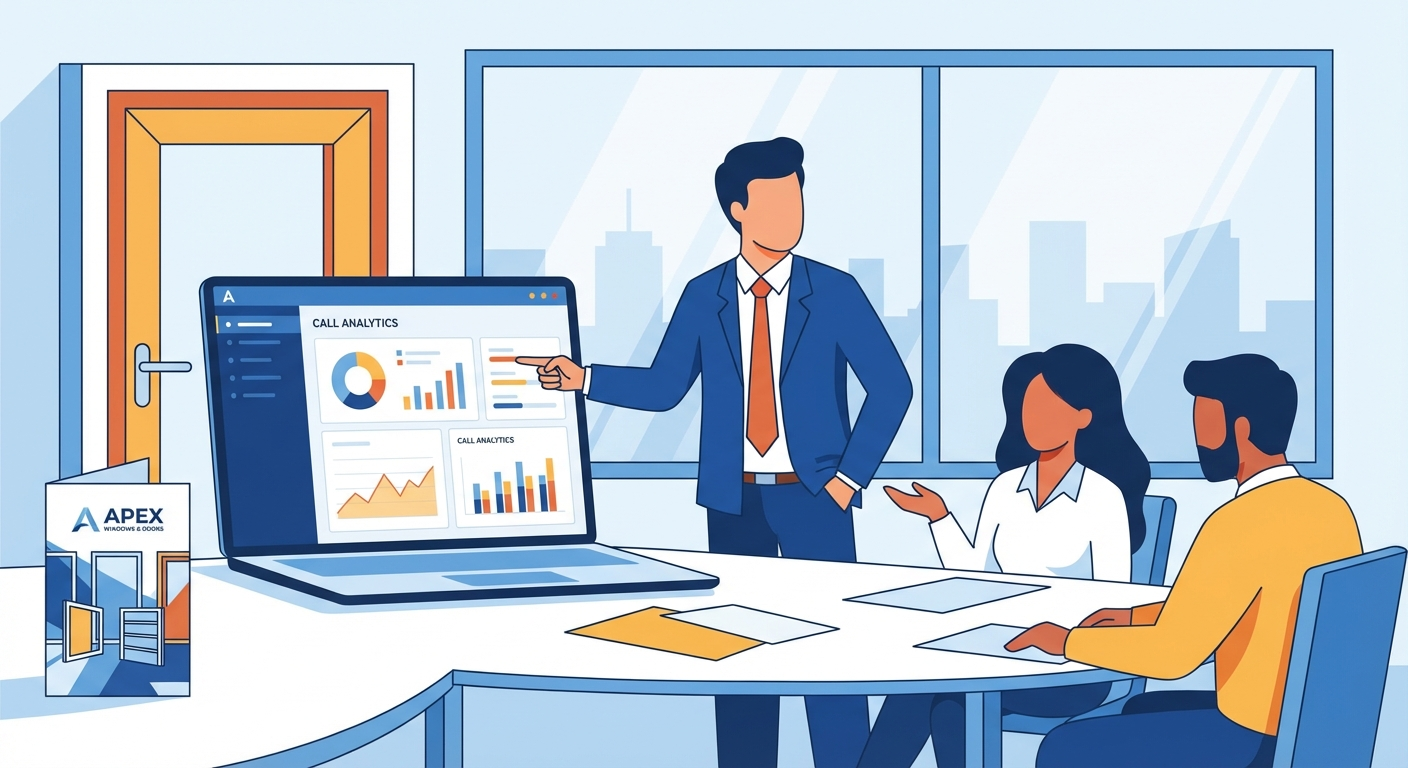
From Recordings to Coaching Gold
| What to Pull | How to Use It |
|---|---|
| Top 10 converting calls this month | New rep training: "This is what a booked appointment sounds like" |
| Calls with price objection detected | Objection handling workshop with real examples |
| Calls with highest customer sentiment | Best practice examples of what makes customers feel heard |
| Calls that led to no-shows | Prevention training: spot the warning signs early |
Flag your top 10 converting calls each week and use them as training for your reps AND for your AI agent. Your best conversations become the template for every future call.
The Intelligence Layer: What AI Sees That Humans Miss
Recording calls is step one. The real power comes from what you do with that data.
Sentiment tracking: How did the customer's mood shift during the call? Did they start skeptical and warm up? Did they cool off after pricing? Tracking sentiment reveals exactly where your process works and where it breaks down.
Conversion pattern analysis: What do calls that convert have in common? How long are they? What questions get asked? These patterns are invisible without data. With a call archive, they become your playbook.
Competitive intelligence: Customers mention competitors all the time. "ABC Windows quoted me $6,000." Without recordings, those insights evaporate. With a searchable archive, you run a report and know exactly who you're competing against, what they're charging, and what they're promising.
The Compound Effect
Here's what most people miss: the value compounds.
Month one, you have 200 recorded calls. Useful, but limited.
Month six, you have 1,200 calls. Patterns start emerging. Seasonal trends in what customers ask about. Which objections are trending up or down.
Month twelve, you have 2,400+ calls. A searchable library of every customer interaction your business has had. You can train new reps faster, spot market shifts earlier, and identify best practices with statistical confidence instead of gut feeling.
Dealers who start archiving calls now will have years of data that late adopters can never catch up on. That's not a marginal advantage. That's a permanent one.
The Bottom Line
Your phone conversations are the most important asset your business produces. Every relationship, every promise, every deal starts with a phone call.
Right now, those conversations disappear the moment they end. That's institutional knowledge walking out the door every single day.
A voice call archive turns those conversations into a permanent, searchable, analyzable asset. It resolves disputes in seconds. It trains your team on what actually works. It reveals patterns you can't see any other way. And it gets more valuable every month.
Every unrecorded call is institutional knowledge you'll never get back.
Ready to turn your calls into intelligence?
Book your demo and see conversation analytics in action.
Or call our AI agent directly and experience it yourself: +1 (206) 737-3577
Built by dealers. 30+ years in the trade. Your calls are too valuable to forget.